

About Us

Mission Statement

The Monarch butterfly, with its vivid orange-and-black wings and epic migratory journey, is more than just an emblem of natural beauty—a symbol of resilience, transformation, and interconnectedness. In an age marked by accelerating habitat loss, climate change, and ecological imbalance, the plight of the Monarch butterfly has captured international attention. Our Monarch Butterfly Initiative is dedicated to protecting, restoring, and celebrating this extraordinary species, ensuring that future generations can bear witness to its awe-inspiring migration and the vital lessons it imparts.

Our Mission

Our mission is to conserve and restore Monarch butterfly populations by protecting their habitats, promoting environmental stewardship, and fostering collaboration among communities, researchers, and policymakers. We seek to inspire action and awareness at every level—local, national, and global—empowering individuals and organizations to become guardians of the Monarch’s journey.

Our Vision

We envision a world where Monarch butterflies thrive in flourishing, interconnected habitats from Canada to Mexico. Our vision is rooted in harmony—between people and nature, between scientific discovery and grassroots action, and across the borders the Monarch so fearlessly crosses. We strive for a future in which communities everywhere cherish and safeguard the Monarch’s migration as an enduring symbol of hope, transformation, and global unity.

Our Values

We protect the Monarch butterfly through stewardship, collaboration, and respect for nature. By partnering with diverse communities, we strengthen our impact and embrace innovative, research-based conservation. Education empowers individuals to take action, while inclusivity ensures all voices are heard. We honor the cultural significance of the Monarch and remain transparent and accountable in our work.

The Monarch’s Lifecycle: From Egg to Butterfly

large-white-eggs1_peter-eeles_web
Egg: The Beginning of a New Generation

The Monarch’s story begins when a female butterfly, having completed her own long journey, seeks out milkweed plants on which to lay her eggs. Milkweed is not just a preference; it is the only plant Monarch caterpillars can eat. Each female lays hundreds of tiny, pale eggs, often on the undersides of milkweed leaves, sheltering them from predators and the elements.

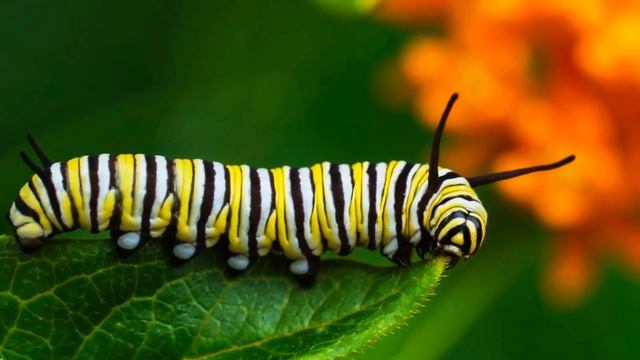
Within four days, the eggs hatch. Out emerges a tiny, hungry caterpillar—the Monarch’s larval form, adorned with distinctive black, white, and yellow stripes.
4edcfc70a5236e6f916ef0363c56063a
Caterpillar: The Voracious Stage

As a caterpillar, the Monarch devotes itself to a singular mission: eat and grow. It consumes milkweed leaves voraciously, storing up energy and, crucially, ingesting toxins from the plant. These toxins, called cardenolides, make Monarchs distasteful and poisonous to many predators—a key adaptation for survival.

The caterpillar will molt, or shed its skin, five times in a process called instar stages. After about two weeks of feasting, the well-fed caterpillar searches for a safe spot, often on the underside of a leaf or stem.

monarch_pins
Chrysalis: The Miracle of Metamorphosis

Hanging upside down in a “J” shape, the caterpillar forms a jade-green chrysalis, studded with gold-like dots. Inside, the caterpillar’s body liquefies and reorganizes in a process that borders on alchemy. Over another ten days, the Monarch transforms from a crawling larva into a winged adult—a metamorphosis that has inspired awe for millennia.

When ready, the adult butterfly emerges, its wings soft and crumpled. It hangs for several hours, pumping fluid into the wings and waiting for them to harden in the sunlight.
cb101b15e7434aa172e923fd7eccf881--group-monarch-butterfly
Adult Butterfly: Beauty on the Wing

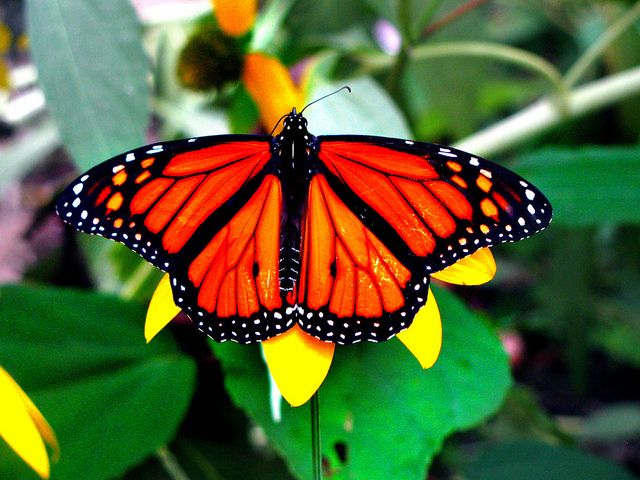
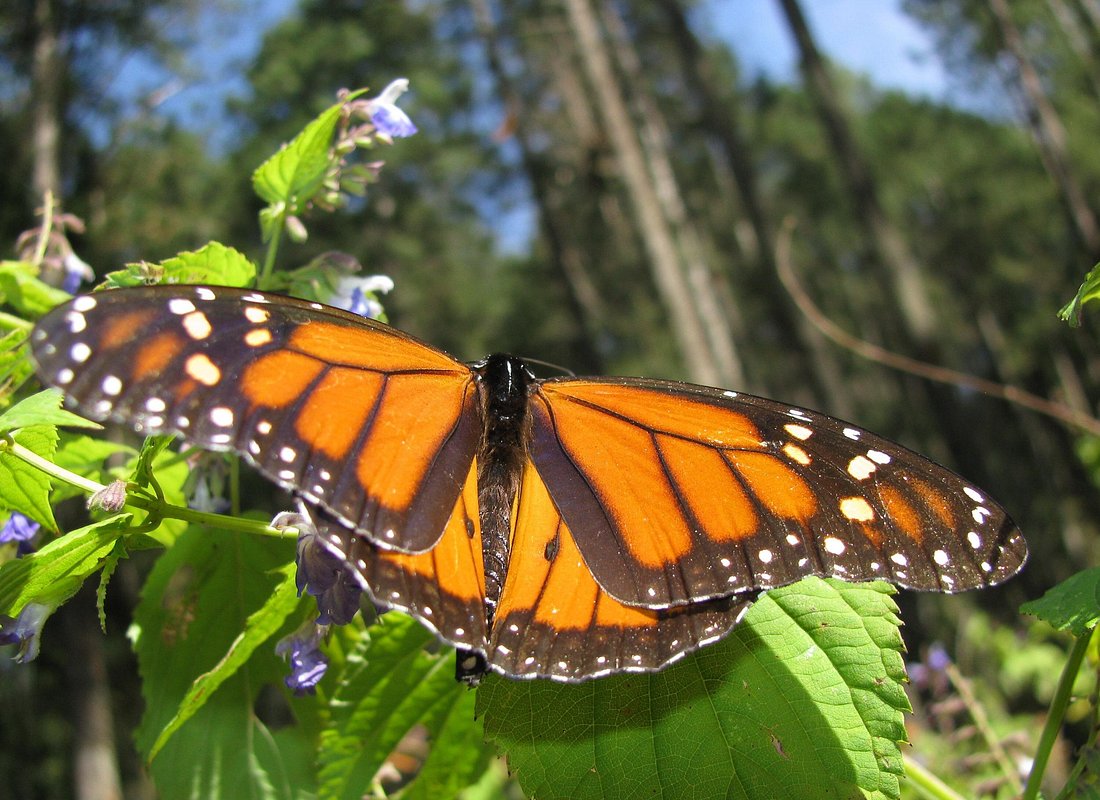
The Monarch butterfly, finally free, takes flight—seeking flowers rich in nectar and, if it is a female, a mate. Most Monarchs live just a few weeks, but those born at the end of summer are different: as autumn approaches, a generation emerges with a unique ability to delay reproduction and live up to eight months. This “super generation” is destined for the ultimate journey.
The Monarch Butterfly: A Journey of Transformation and Survival

The Complete Story of an Iconic Insect

The Monarch butterfly (Danaus plexippus) stands as an emblem of transformation, hope, and the intricate connections that link living things across continents. With its vibrant orange-and-black wings, the Monarch captures the imagination of all who witness its delicate flight. Yet, it is the butterfly’s epic journey and astonishing lifecycle that make its story one of the most remarkable found in nature.
This is the story of the Monarch butterfly, from egg to adult, from the milkweed fields of North America to the misty forests of central Mexico—a saga of survival, adaptation, and interconnectedness.

The Monarch Butterfly

Monarch butterflies are celebrated for their iconic black-and-orange wings and their awe-inspiring migratory journeys. Their lifecycle begins with a transformative chrysalis phase, during which the caterpillar reshapes into an adult butterfly. This emergence marks the beginning of their remarkable migration, spanning thousands of miles to overwintering grounds in Mexico or California.

Their migration is one of the longest in the insect world, completed across multiple generations. Monarchs rely on environmental cues like temperature and sunlight, and may even use Earth's magnetic field for navigation. Along their journey, finding milkweed habitats is vital for survival, as it serves as the sole food source for their caterpillars. Upon reaching their destination, monarchs cluster densely in oyamel fir trees or eucalyptus groves, creating visual spectacles. They remain dormant until spring, when they begin their return northward, laying eggs to restart the cycle. This extraordinary journey underscores their resilience, adaptability, and the interconnectedness of ecosystems, highlighting the critical importance of conservation efforts to ensure their survival.

The Monarch Migration: Nature’s Greatest Insect Odyssey

North to South: An Epic Voyage

Each autumn, as temperatures drop and flowers fade, millions of Monarchs from Canada and the northern United States begin an extraordinary journey southward. These butterflies, weighing less than a paperclip, travel up to 3,000 miles to reach the oyamel fir forests of central Mexico.
How do they know where to go? Monarchs navigate using a combination of environmental cues: the angle of the sun, Earth’s magnetic field, and perhaps even inherited genetic maps. Their path traverses vast landscapes—over fields, urban centers, mountains, and rivers.

Rest and Reunion in Mexico

By November, the Monarchs arrive in the highland forests near Michoacán and the State of Mexico. Here, in the cool, moist, sheltered microclimate, they cluster by the millions on tree branches, forming living tapestries of orange and black. This overwintering period is one of rest and survival. The butterflies conserve energy, waiting for the warmth of spring to return.
For the people in these regions, the arrival of the Monarchs is a symbol of hope and continuity—honored through festivals and deeply woven into cultural traditions, such as the Day of the Dead.

The Return North: A Multigenerational Relay

When spring comes, Monarchs awake from their torpor, mate, and begin the journey northward. But no single butterfly completes the round trip. Instead, the return is a relay: the overwintering adults fly partway north, lay eggs on milkweed, then die. The next generation hatches, grows, and continues the journey. It takes three to four generations for Monarchs to reach the northernmost parts of their range, completing the cycle.

The Importance of Monarchs

Monarch butterflies are more than just beautiful travelers. They play a vital role as pollinators, supporting the health of wildflowers, native plants, and agricultural crops. Their dependence on milkweed for breeding links them to the landscape, making them indicators of ecosystem health. A thriving Monarch population signals a healthy, balanced environment, while their decline warns of broader ecological problems.

Cultural Significance

Monarchs have inspired art, literature, and folklore across the Americas. In Mexico, they are believed to carry the spirits of ancestors returning for the Day of the Dead. In the United States and Canada, they are celebrated through festivals, educational programs, and conservation efforts.

Challenges and Threats

Today, the Monarch’s epic journey is imperiled. Habitat loss—from urbanization, agriculture, and herbicide use—has decimated native milkweed populations. Climate change brings unpredictable weather, threatening breeding and overwintering habitats. Pesticides harm both adults and larvae, while deforestation in Mexico endangers their winter sanctuaries. Disease, parasites, and declining nectar sources pose further risks. Since the 1990s, the eastern North American Monarch population has fallen by more than 80%. The western population, which winters along the California coast, faces an even more dramatic crisis.

Conservation: Protecting the Monarch’s Journey

Despite these challenges, hope endures. Conservationists, scientists, educators, and ordinary citizens are joining forces to support Monarch recovery. Here are some ways individuals and communities can help:

  • Plant native milkweed and nectar-rich flowers to provide food and breeding sites.
  • Avoid pesticides and herbicides that harm Monarchs and their habitats.
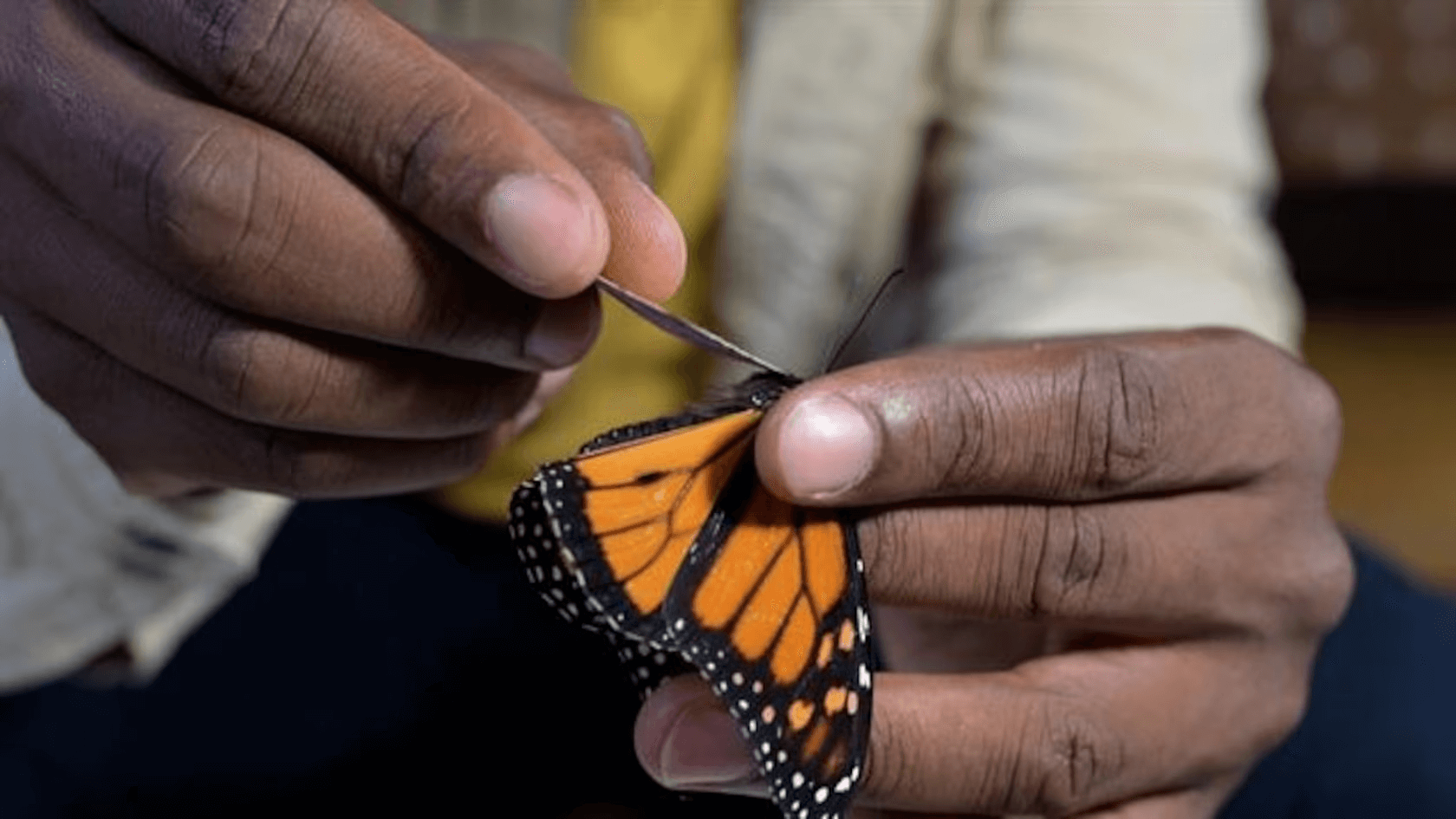
  • Participate in citizen science projects that track Monarch populations and migration.
  • Advocate for pollinator-friendly policies at local, state, and national levels.
  • Support organizations dedicated to Monarch conservation and environmental stewardship.
  • Educate others about the Monarch’s plight and inspire stewardship in schools and communities.
m
Total Donations
k
Projects Funded
k
Satisfied Donors
Our Volunteers

Mission, Vision, and Values: A Commitment to the Future

The Monarch butterfly mission extends beyond protecting a single species. It embodies a vision of harmony between humans and nature—a belief that the fate of a butterfly reflects the health of our planet itself. Our values are grounded in knowledge, respect for all living things, and hope for renewal.

By working together, guided by science and compassion, we can ensure that the Monarch butterfly’s remarkable odyssey continues. Let us champion their cause, not just for their beauty, but for the promise they carry: that restoration and resilience are possible.
Frequently Asked Questions

Have any Question?

How to donate anonymously to cause?

Suspendisse finibus urna mauris, vitae free text consequat quam vel. Vestibulum leo ligula, vitae commodo nisl.

How to become a volunteer?

Suspendisse finibus urna mauris, vitae free text consequat quam vel. Vestibulum leo ligula, vitae commodo nisl.

Will they charge monthly or anualy?

Suspendisse finibus urna mauris, vitae free text consequat quam vel. Vestibulum leo ligula, vitae commodo nisl.

Join Our Team

Meet Volunteers

Kevin Martin

Volunteer

Aleesha Brown

Volunteer

David Cooper

Volunteer
The Monarch butterfly’s journey—from tiny egg to delicate adult, from northern meadows to Mexican forests—is a story of transformation and endurance. It is a testament to the power of nature’s cycles and the interconnectedness of all life. As stewards, we hold the responsibility and the privilege to safeguard this journey. By planting hope alongside milkweed, by advocating for change and cherishing nature’s wonders, we can ensure that Monarchs continue to soar—across borders, across generations, and across the hearts of all who pause to marvel at their flight.

Protecting Monarchs, Preserving Nature

Contact

info@mariposa-monarca.com
+ 1 (888) 888-8888

60 Broklyn Golden Street, New York
United States of America

Registration No.: 00-00000